
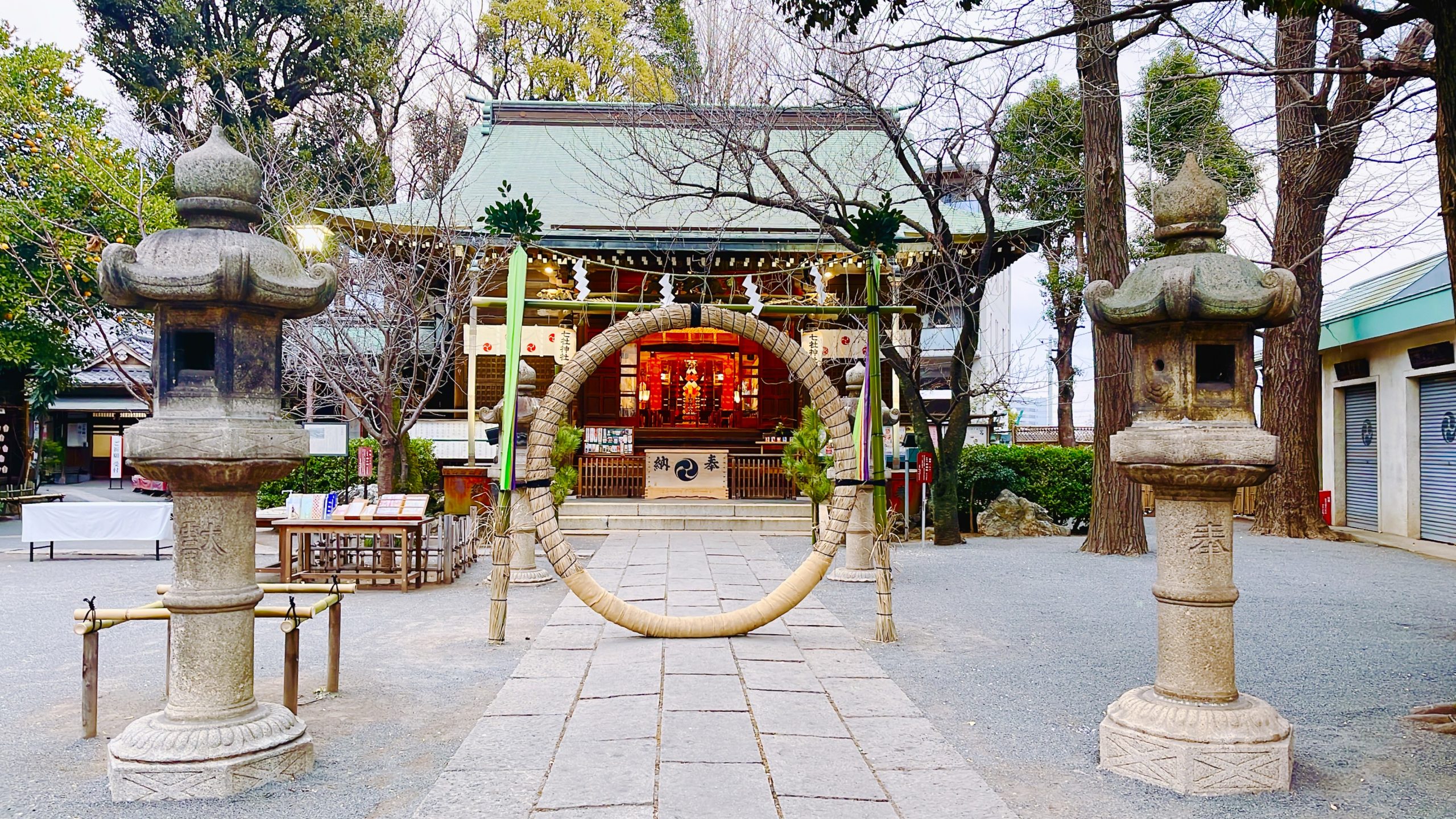

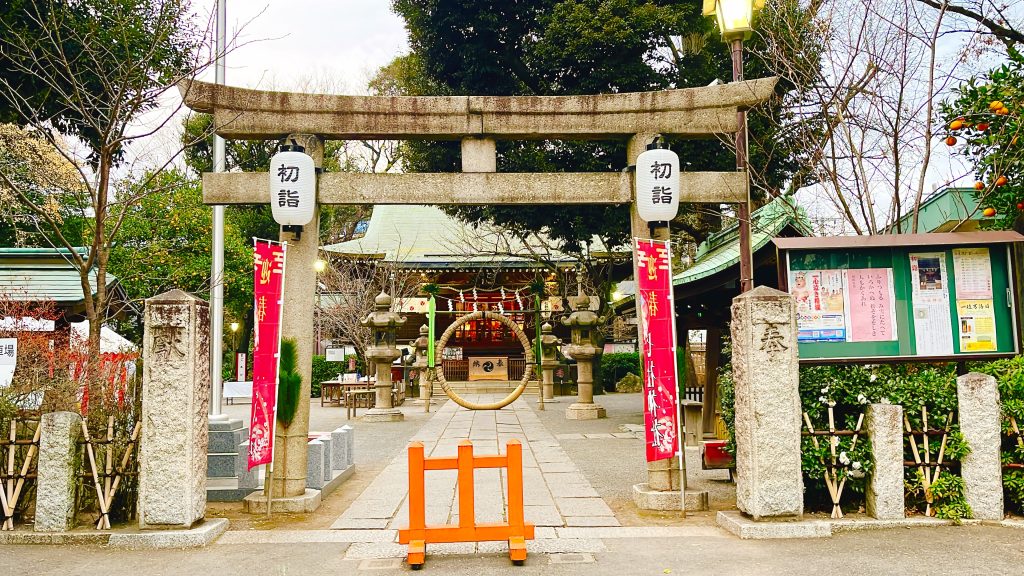
Located about 30 minutes by train from Tokyo Station, Natasha Shrine is associated with Shibusawa Eiichi, who became the face of the new paper money in 2024.
The shrine is said to be blessed with blessings for fertility, easy childbirth, and happiness in the home.
・伊邪那岐命(Izanagi no Mikoto)
・伊邪那美命(Izanami no Mikoto)
・天児屋根命(Amenokoyane-no-mikoto)
・伊斯許理度賣命(Isikoridome no Mikoto)
・市寸島比賣命(Ichikishimahime no Mikoto)
・仲哀天皇(Emperor Chuai Tenno) – 帯中日子命(Tarashinakatsuhiko no Mikoto)
・応神天皇(Emperor Ojin) – 品陀別命(Homudawakenomikoto)
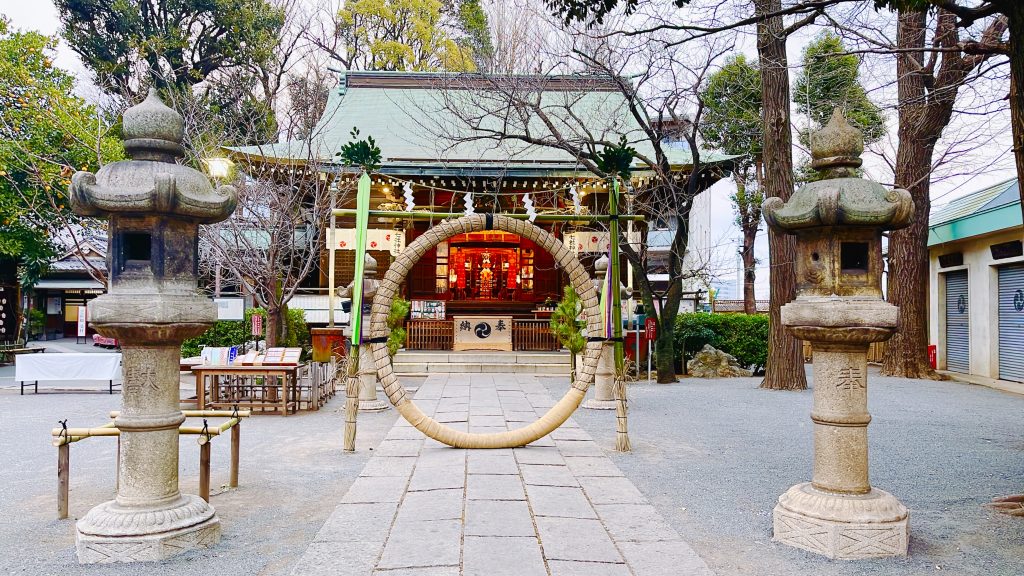
Passing through the CHINOWA KUGURI
For a limited time only, “CHINOWA KUGURI” are set up, which are rare in this area, and visitors can go through “CHINOWA KUGURI.
The “CHINOWA KUGURI” is a Shinto ritual to purify the body and soul from sins of the past six months unknowingly by going through a big ring of thatch made of a rice plant called “Chigaya” at the end of June and December.
At NAnasya Shrine, it is in place until January 7.
Anyone can go through the ring of thatch, so if you see one, please go through it.
The way to go through it may vary from shrine to shrine, so please read and practice the instructions provided at the shrine.
CHOZUSYA
When people visit shrines and temples, the place where they purify themselves and their minds by sipping water with a ladle is called a “chozusha,” and the chozubachi in the chozusha is called a “hana-chozu,” or flower basin. Floating seasonal flowers in the hana-chozu is a standard feature of hana-chozu, and it is characterized by its rich coloring.
There are various types of chozushas at different shrines, but this is the type that produces water when you reach out your hand.
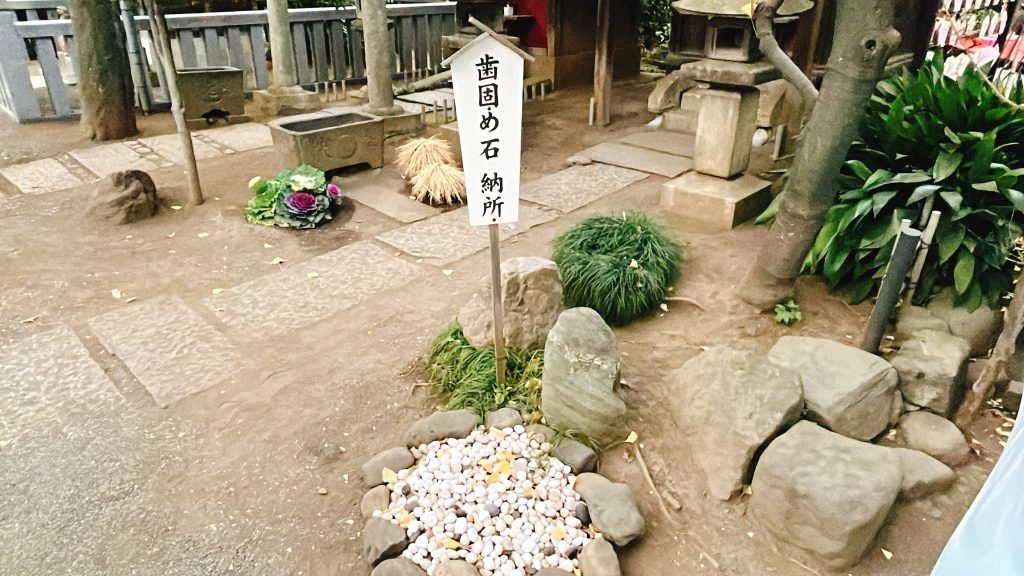
HAGATAME stone” delivery place
During the “okui-hajime” ceremony, which is held on the 100th day after the birth of a child, the child is made to imitate eating food, after which the “HAGATAME stone” is placed on the child’s mouth or a chopstick touched by a doctor is gently placed on the child’s gums.
After the ceremony is over, the teething stone is placed in the child’s mouth.
*okui-hajime…A ceremony that has been held since ancient times, this is a family ritual to wish for the child to have “no trouble eating throughout his/her life” and “strong teeth.
Eiichi Shibusawa
Eiichi Shibusawa, the face of the new banknote in 2024, is a businessman known as the “father of Japanese capitalism,” “father of business,” and “father of finance,” and was one of the major contributors to the modernization of Japan.
He established the first bank in Japan to introduce the joint-stock company system to Japan.
Since he lived near Natasha Shrine, he became a Ujiko (a person who lives in the same area and worships the local deity) of Natasha Shrine, and the shrine office of Natasha Shrine was built with donations from many people, including Eiichi Shibusawa.
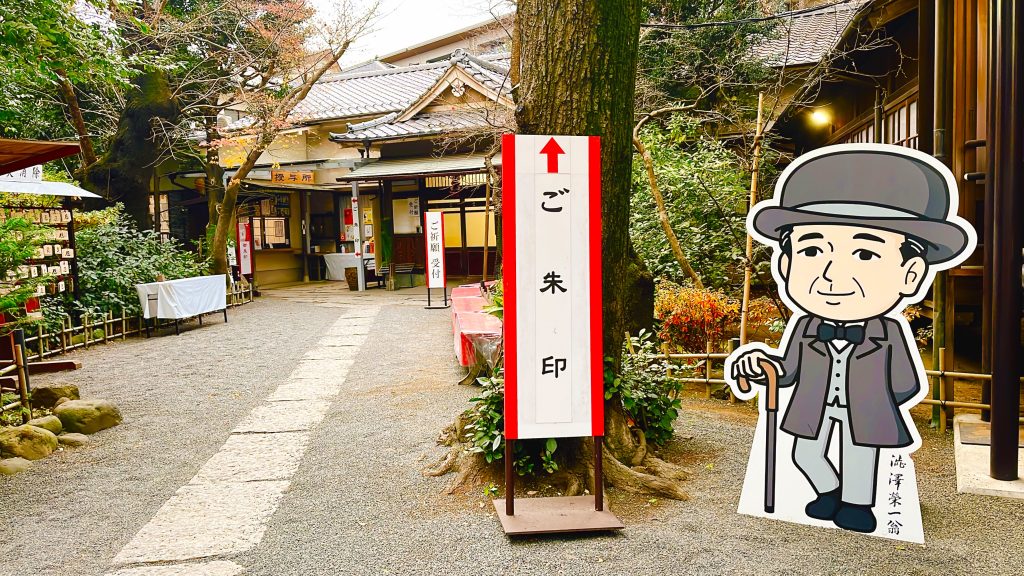
Omikuji
Omikuji is a fortune-telling paper that can be drawn at shrines and temples. It is a traditional Japanese custom to know future fortune and advice.

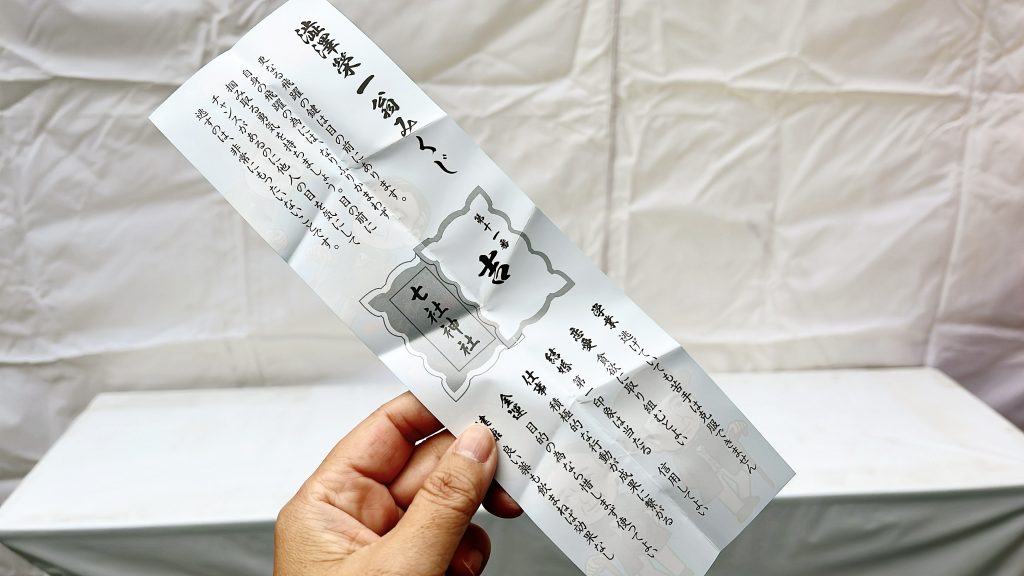
The result was “good luck. The message from God is that “you can spend money sparingly for your purpose,” but unfortunately I do not have the financial power to spend it sparingly.
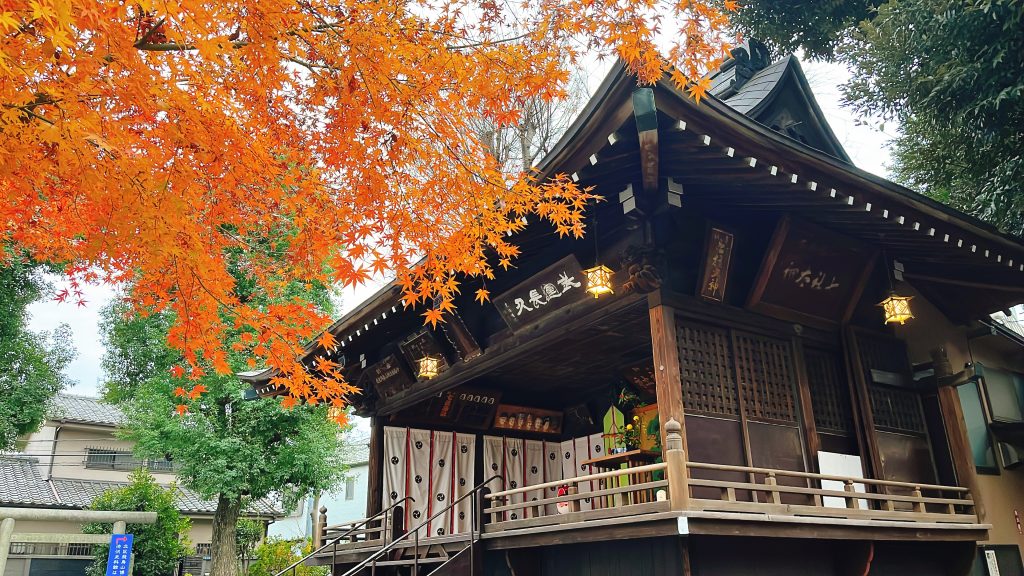
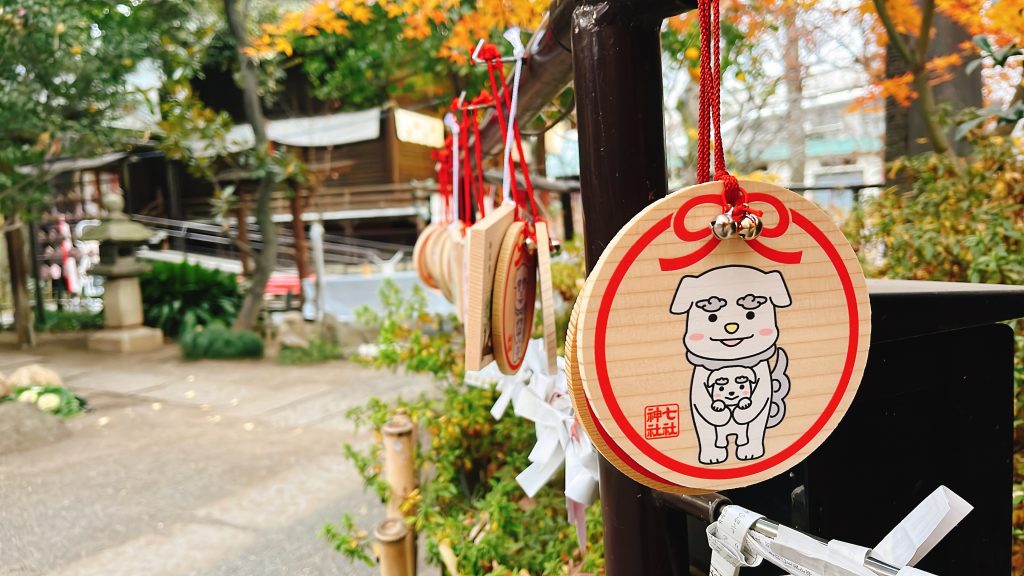
The shrine is located in a very quiet residential area, allowing visitors to enjoy a leisurely and relaxing visit.
●Nanasya Shrine
2-11-1 Nishigahara, Kita-ku, Tokyo

コメント