
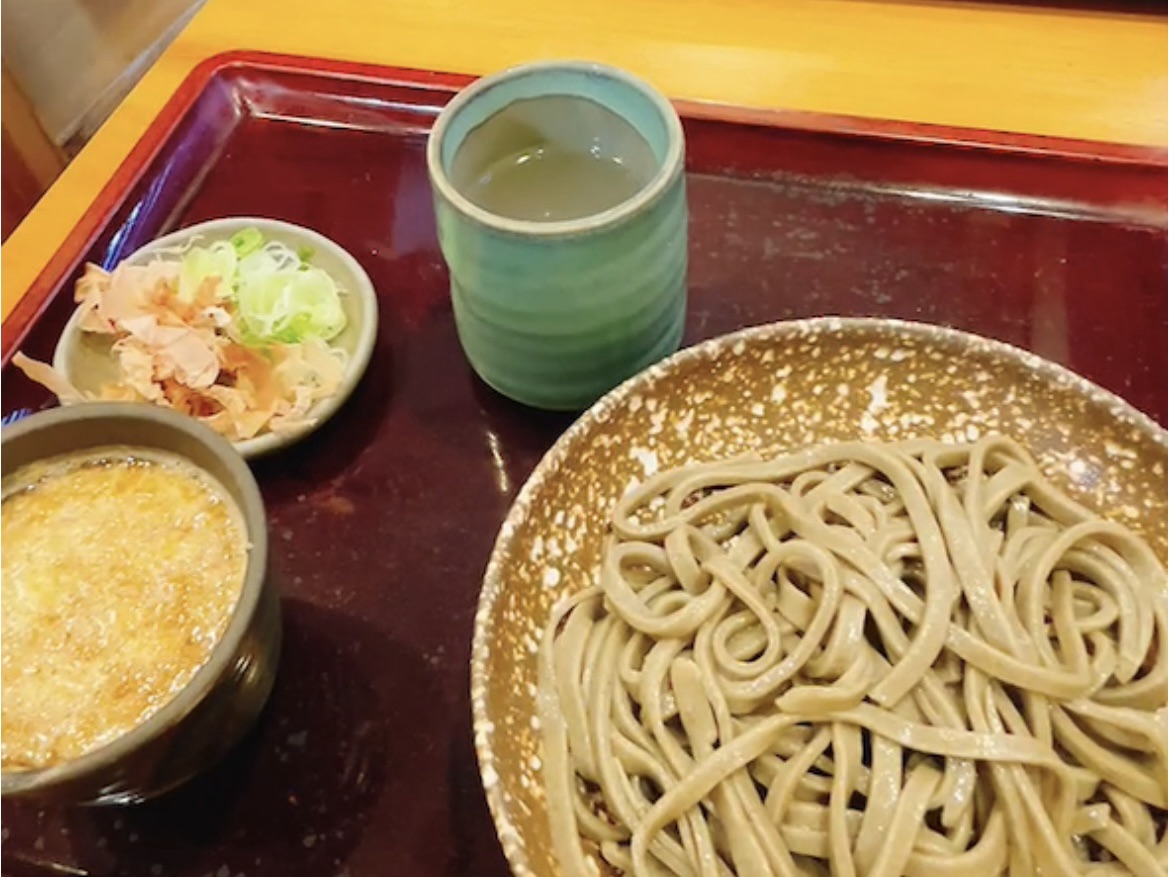
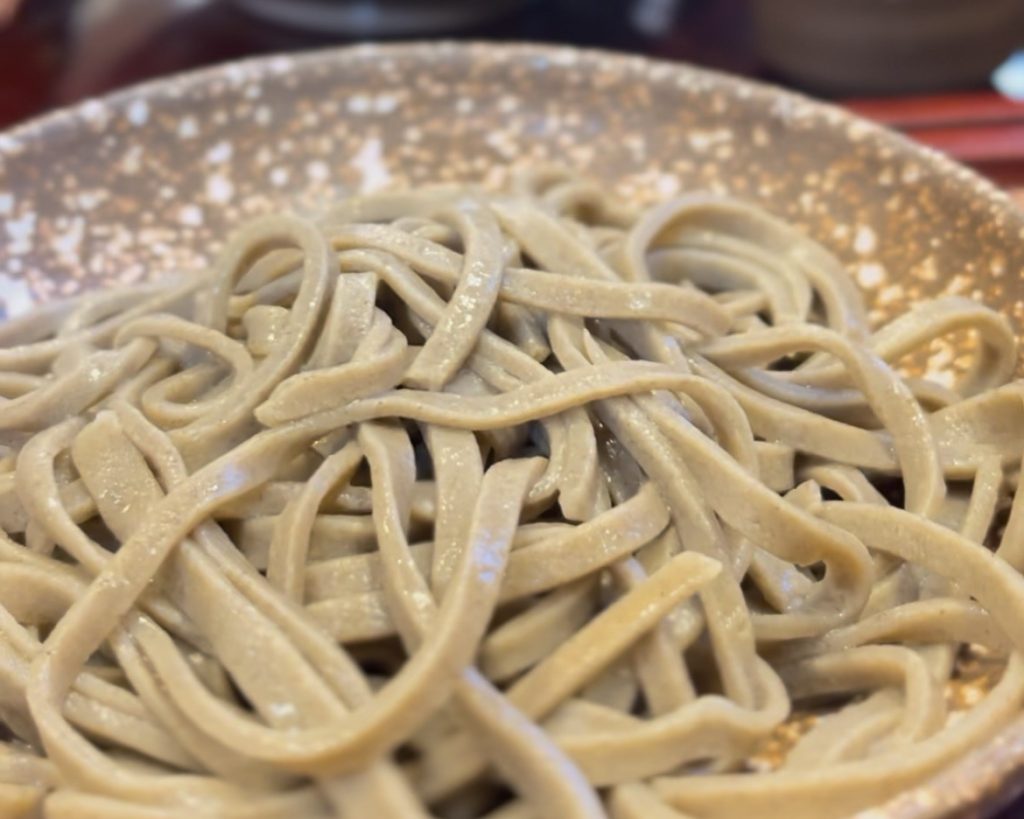
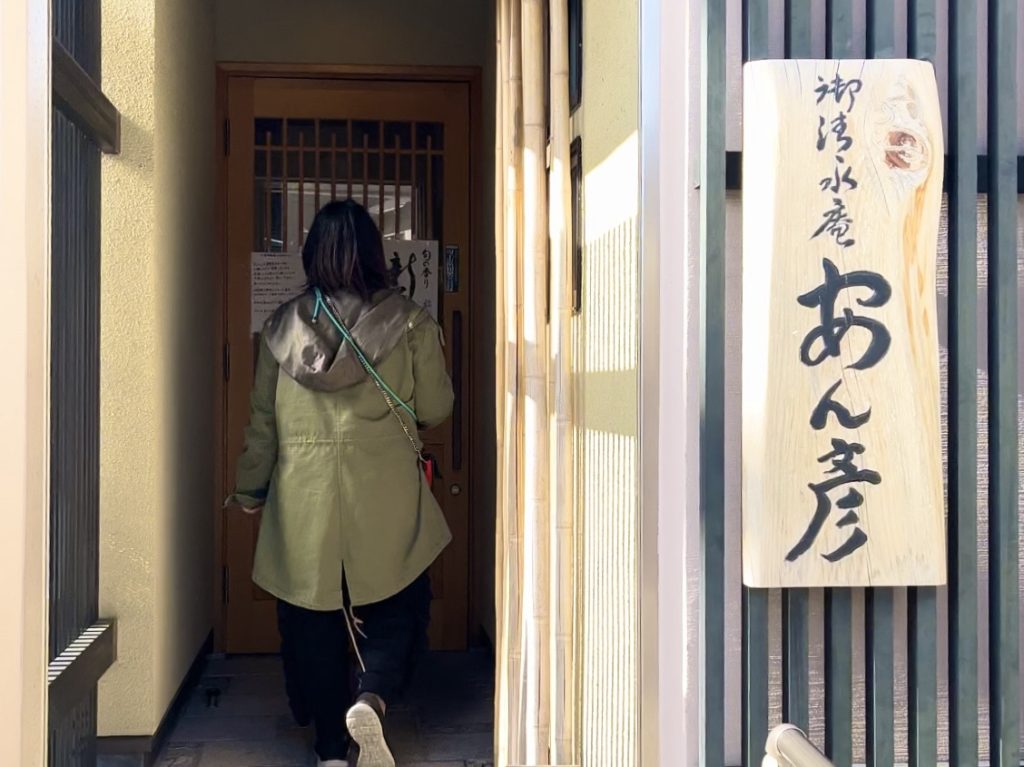
OSHOZUAN ANHIKO is a soba (buckwheat noodle) restaurant located about a 5-minute walk from Zushi Station, which is about an hour’s train ride from Tokyo, serving “Echizen soba” from the Fukui region.
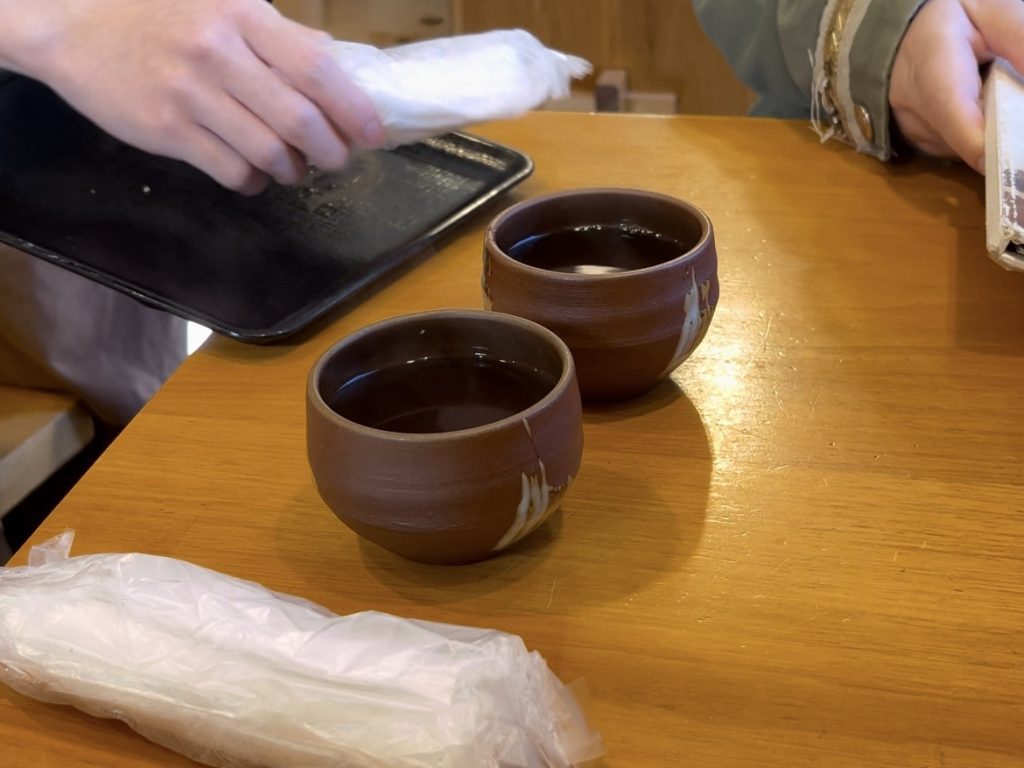
When you enter the restaurant you will be served hot tea and a towel. If you would like more tea, it is available on a self-service basis.
Soba noodles are handmade daily and there are a variety of dishes on the menu. The most popular is “ECHIZEN OROSHI SOBA” with lots of grated radish. It is a menu item in which soba noodles are dipped in a thick broth to which grated radish is added. Since it is filled with lots of daikon, it goes well with soba and is very tasty.
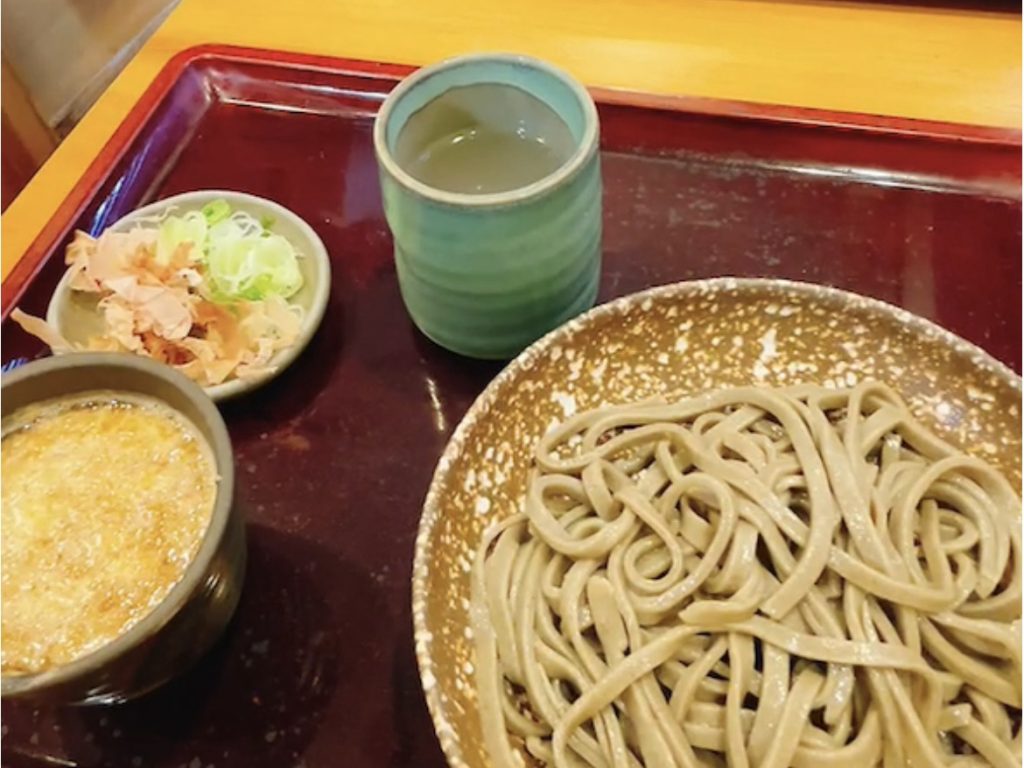
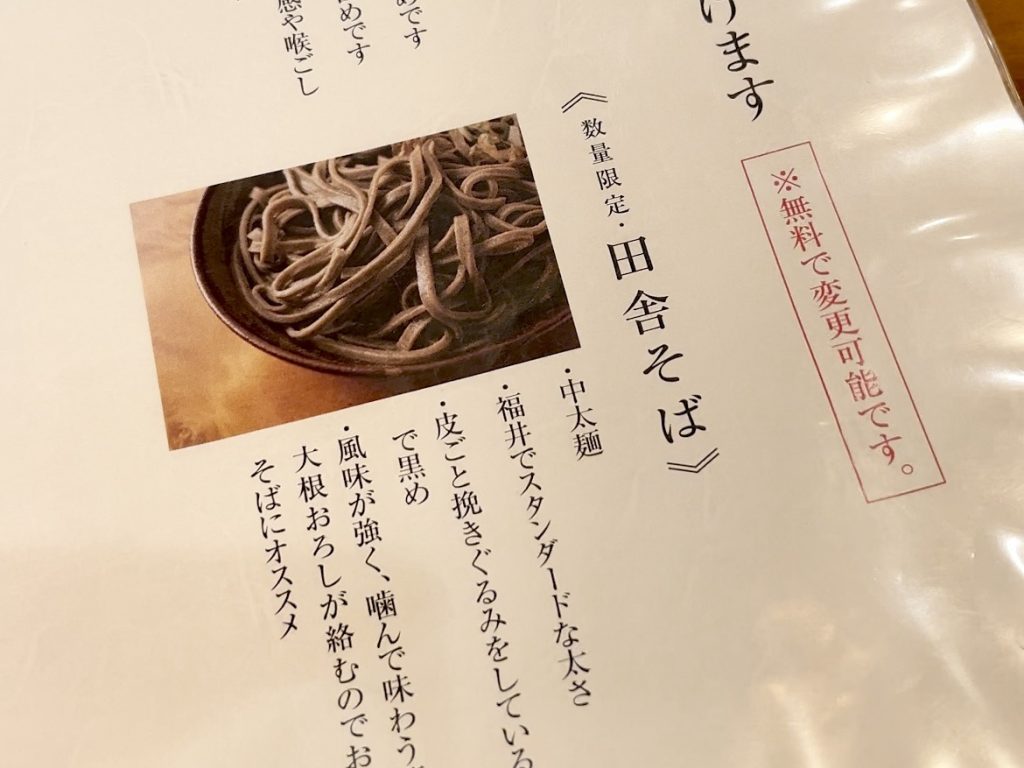
If you go early, be sure to switch to INAKASOBA noodles, which are available in limited quantities. You can enjoy thick and satisfying soba noodles.
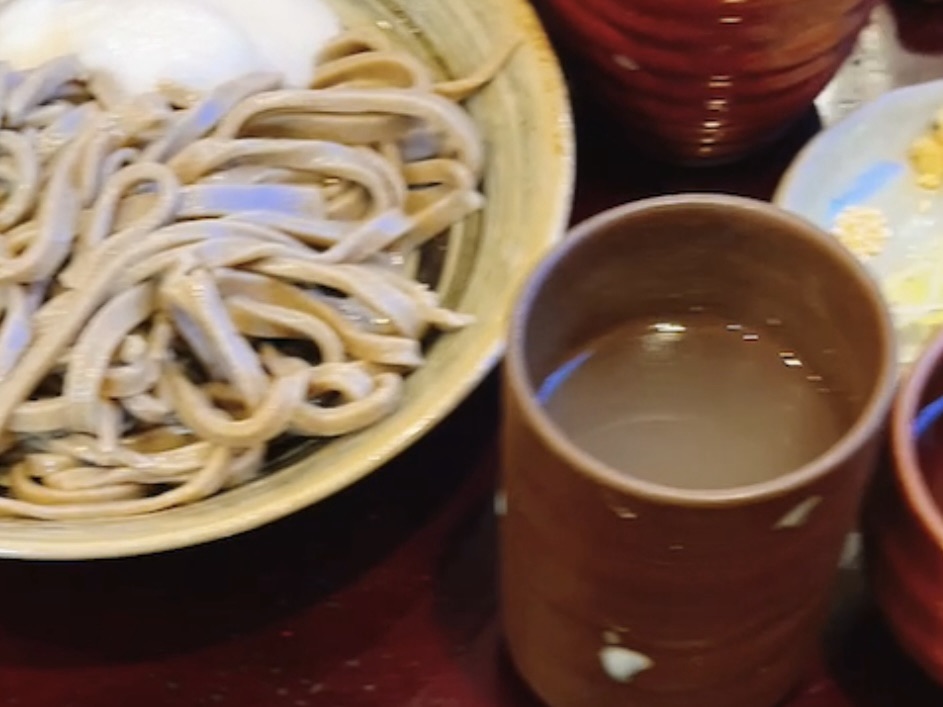
It comes with a cloudy white liquid called “SOBAYU”. In most soba restaurants, the waiter brings the sobayu to you when you finish your soba, but here it comes with the soba.
Sobayu is the boiled water from buckwheat noodles that is added to tsuyu (soy sauce) after eating soba. Drinking sobayu, which is said to be good for the body, is recommended not only for its delicious taste, but also as a place to enjoy the aftermath of eating soba.
Here is an explanation of the different types of soba noodles.
Tanuki Soba…The name “Tanuki Soba” comes mainly from the use of “tenkasu” (fried batter) as a topping. In the old days, tenkasu was the leftover part of tempura when it was made, and poor people ate it on top of soba noodles, hence the name “tanuki”. As a “hungry animal,” tanuki symbolizes hunger, which is said to be related to the fact that tenkasu is inexpensive and readily available.
Kitsune soba… The name comes from the “fried tofu” that is placed on top of the soba. Folklore has it that foxes like fried tofu, which is reflected in the name of the dish. The theory that abura-age is a favorite food of foxes also spread from Japanese folklore and folk tales. Abura-age, cooked in a sweet and spicy sauce, came to be called “kitsune-soba” in reference to foxes.
Tempura Soba…The word “tempura” in “Tempura Soba” is said to be derived from the Portuguese word “tempero” (seasoning), a cooking method introduced from Portugal in the 16th century and adapted to the Japanese style. The name of this dish means fried food. The name of this dish comes directly from the word “tempura,” which means fried food.
Tsukimi Soba… The word “tsukimi” comes from the ancient custom of enjoying a meal while watching the moon on a long autumn night. The word “tsukimi” itself means to enjoy watching the moon, and tsukimi dango is an example. In tsukimi-soba, a raw egg (or half-cooked egg) is placed on top of buckwheat noodles to evoke the waxing and waning of the moon, and is enjoyed as a reminder of the moon-watching atmosphere.
Duck Nanban Soba “Nanban” originally refers to something from China or the South, and it is believed that the word “Nanban” was given to this dish because there is a theory that duck meat in particular was introduced from the South. It is also said that the fatty meat of the duck soaks into the broth and gives it a rich flavor, making it popular in the region and establishing it as a common people’s food in the Edo period.
Zaru Soba… Zaru” means “bamboo basket” and refers to the style of soba served on a bamboo strainer. Zaru soba is popular as cold soba noodles and is eaten mainly in summer. The name of this dish is a simple name that comes from the container used to serve it.
Kakesoba… The “kake” in “kakesoba” comes from “pouring” the broth over the soba. It refers to the style of eating soba with warm broth poured over it, and is derived from the action of “pouring”. It is a basic form of soba with a simple and rustic taste, and has been popular in home cooking and eating out since ancient times.
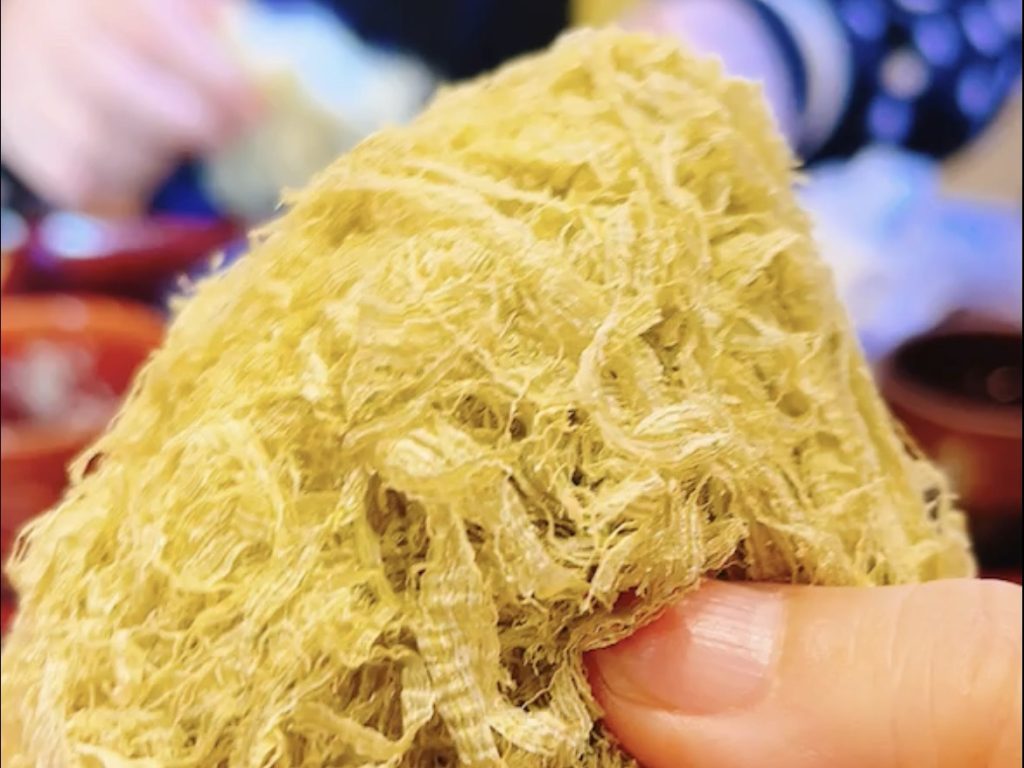
Tororokonbu onigiri can also be ordered together. It looks like a ghostly shape! You will be amazed at the tororo seaweed generously covered on the rice ball. It may be a little difficult to eat for those who are not used to it, but enjoy the taste and texture of the tororo seaweed.
The rice ball set also comes with millet dumplings. Kibidango is also found in the Japanese folk tale “Momotaro,” in which Momotaro gave kibidango to a dog, a monkey, and a pheasant to follow him when he went out to exterminate ogres.
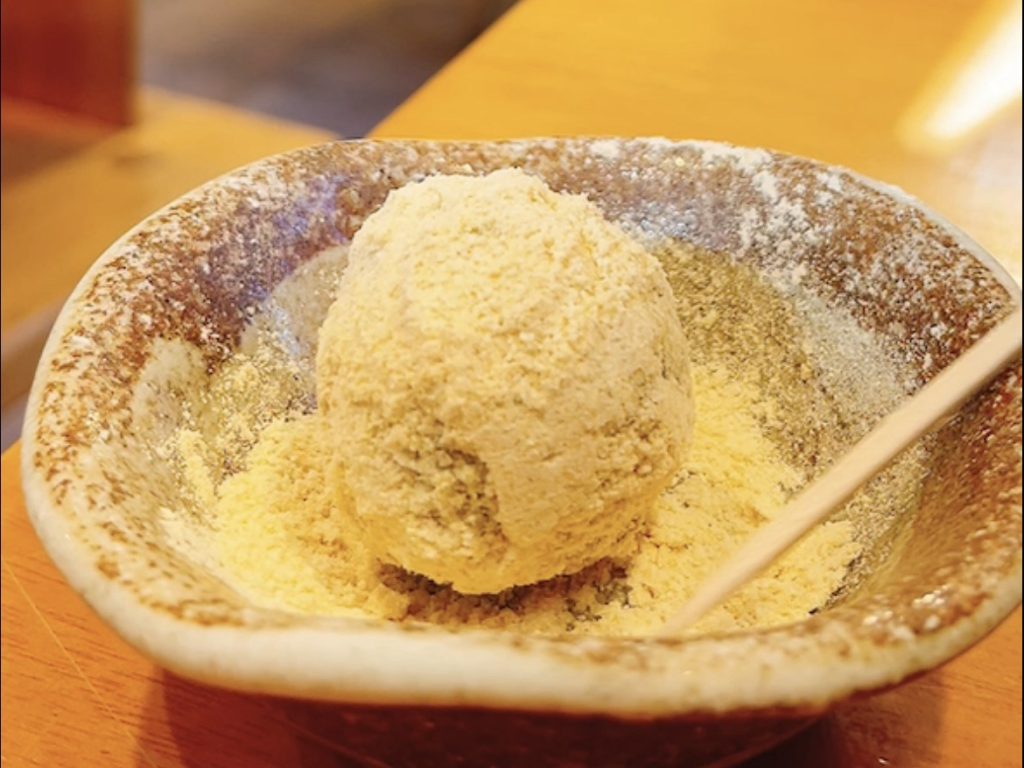
If you are visiting Kamakura or Hayama, be sure to stop at Zushi and enjoy the soba noodles at Anhiko.
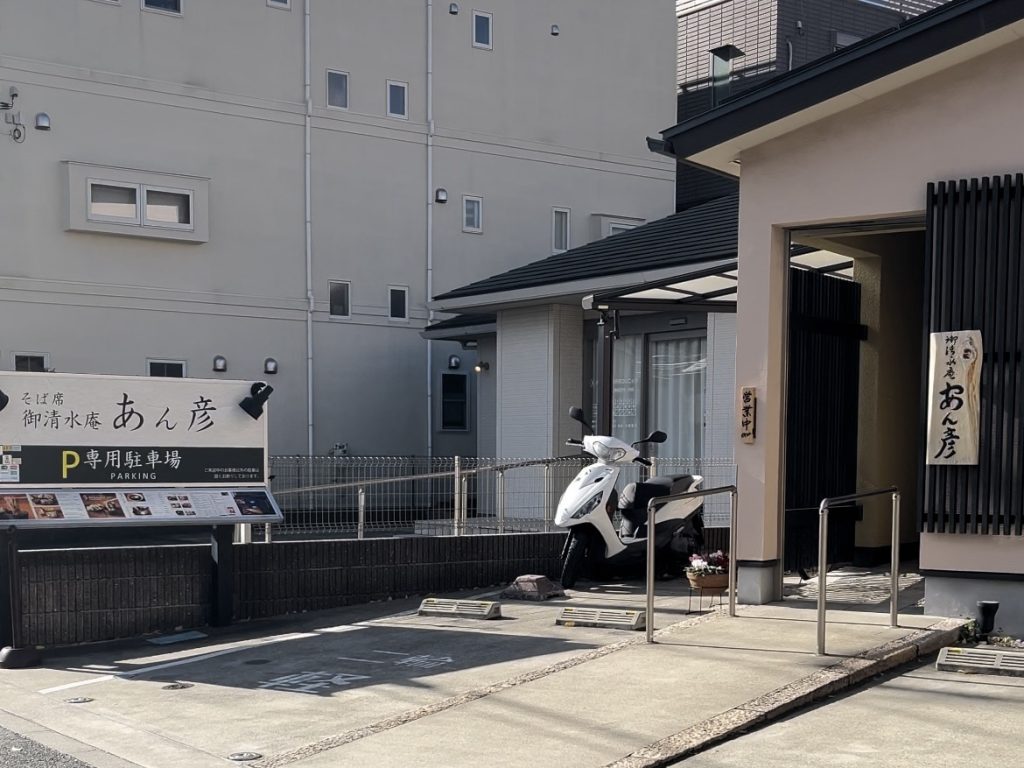
⚫︎そば席 御清水庵 あん彦 (Sobaseki Osyozuan anhiko)
5-14-7 Zushi, Zushi City, Kanagawa Prefecture
コメント